
Bacteria, Biofilm & the Skin Microbiome
For full access to all links and details mentioned in this article, please open the web-based version.

Just to be clear, healthy skin naturally exists alongside a diverse community of microorganisms that play an important role in the skin’s ecosystem.
As an esthetician, understanding the relationship between bacteria, the microbiome, the skin barrier, and biofilm provides a deeper way to look at skin health. Instead of viewing the skin simply as a surface that needs to be cleansed, exfoliated, treated, or corrected, we can begin to understand it as a living environment where countless biological interactions are happening every day.
Stick with me to the end of this article for a gift from The Pink Spot. But first, let's get a better understanding of why your skin's microbiome is so key to healthy healing.
Your skin is an ecosystem.
The skin is home to bacteria, fungi, viruses, and other microorganisms. Together, these microorganisms interact with one another and with the skin itself.
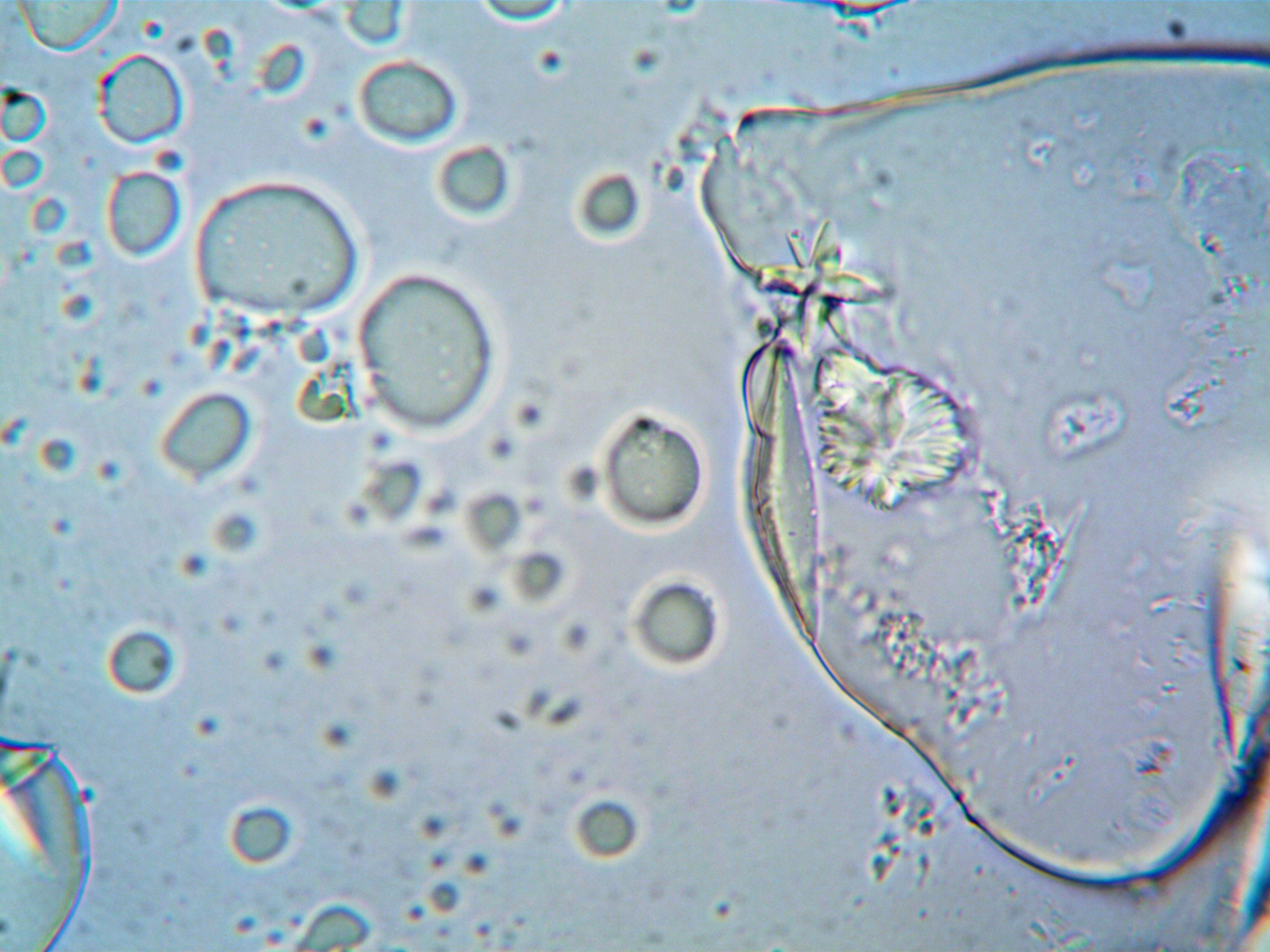
Beneficial microbes crowd out harmful organisms, help maintain the skin's naturally acidic pH, and team up with the skin barrier to keep it strong. This working relationship is so interconnected that disrupting one tends to throw off the other. This microbial balance also helps regulate inflammation, keeping skin calmer and more resilient.
This is why healthy skin isn’t “sterile” skin. Over-cleansing, over-exfoliating, or using harsh antibacterial products can strip away the beneficial microbes along with the problematic ones, leaving skin more reactive, dry, or breakout-prone. The goal isn’t to cleanse out all microorganisms but to support the ones that protect skin while gently managing the ones that cause problems in excess. In the recent years, skincare is shifting toward “microbiome-friendly” formulas that cleanse and treat without disrupting the living ecosystem on the skin’s surface.
When the relationship between the skin and its microbial community becomes disrupted, a state known as dysbiosis may occur.
Dysbiosis is when your skin's microbial "neighborhood" gets out of balance. The good bacteria move out, the troublemakers move in, and suddenly the peace is disrupted. The result? Skin that's more prone to breakouts, redness, and sensitivity, all because of the harmony between microbes got thrown off.
And this is where things get even more interesting…
Bacteria don’t always live alone
Bacteria can exist as individual microorganisms, but they can also attach themselves to surfaces and organize into communities.
These communities can produce a protective substance known as an extracellular polymeric substance matrix. This creates a structured environment around the microorganisms.
This organized community is known as a biofilm.
Biofilm is important because bacteria living within these communities can behave differently from bacteria existing individually. The matrix can provide physical protection and create an environment in which microorganisms interact, communicate, and respond differently to their surroundings.
So when we talk about bacteria on the skin, we are not necessarily talking about individual bacteria floating around independently.
Sometimes, we are talking about communities.
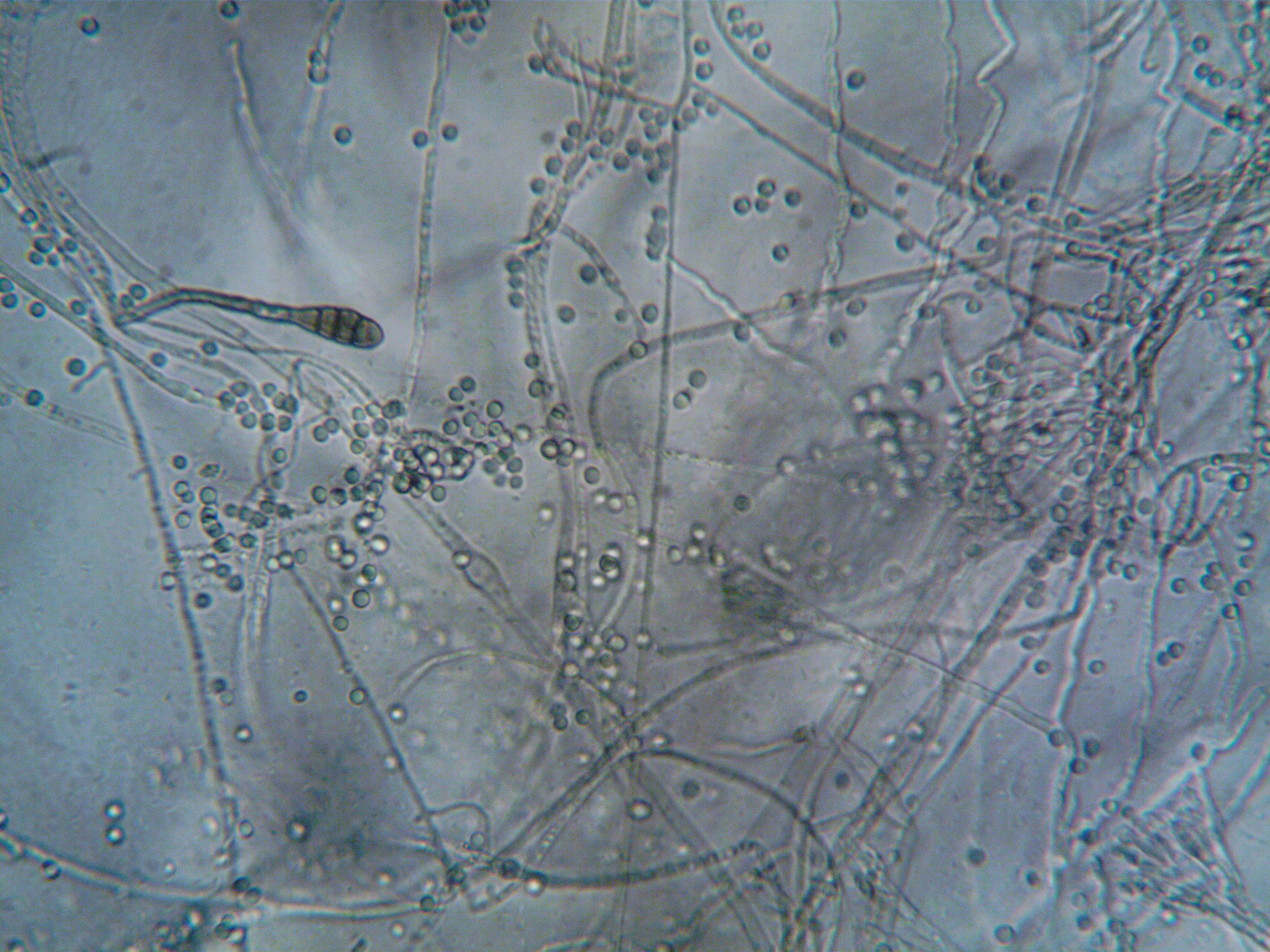
Why does biofilm matter to skin health?
Think of biofilm as bacteria building themselves a little fortress. Instead of floating around loose on your skin, certain bacteria, like the ones linked to acne can clump together and coat themselves in a protective slime layer. This shields them from things that would normally keep them in check, like your skin's natural defenses or topical treatments, making them harder to get rid of.
Acne and the Microbiome
Acne is one of the easiest examples to relate to because so many people have experienced it.
One common misconception is that acne happens simply because there is "too much bacteria" on the skin.
But acne is much more complex with hormones, genetics, stress, diet, and skincare habits. Now, let's introduce another bacterial player quietly working behind the scenes.
Cutibacterium acnes is a normal member of the skin microbiome, particularly in areas rich in sebaceous glands where hair grows (face, scalp, back). Its presence alone does not mean that someone will develop acne.
Instead, acne involves multiple interacting factors, including sebum production, follicular changes, inflammation, the immune response, and the microbial environment of the skin.
Researchers have found that C. acnes isn't one-size-fits-all, different strains and behaviors can affect acne differently.
C. acnes is also capable of forming biofilms, making biofilm formation an area of interest in understanding how microbial communities may contribute to acne persistence.
Acne is not simply a problem of bacteria that need to be killed.
It is a problem involving the interaction between the follicle, sebum, inflammation, the immune system, the skin barrier, and the microbial ecosystem.
That changes the way we should think about acne-prone skin.
Dermatitis and the Microbiome
The relationship between the microbiome and inflammatory skin conditions can also be seen in atopic dermatitis.
Atopic dermatitis involves dysfunction of the skin barrier and immune system, and changes in the skin microbiome are also associated with the condition.
During flares, Staphylococcus aureus can become disproportionately abundant on affected skin, while overall microbial diversity may decrease.
Barrier dysfunction can alter the skin environment → microbial communities can change → inflammation may increase → the barrier can become further compromised.
The microbiome is therefore not something completely separate from the skin.
It is part of the skin's environment.
Understanding bacteria and biofilm should not lead us to believe that all microorganisms need to be eliminated.
That is not how healthy skin works.
The skin has its own biological defenses, and its microbial community is part of that complex system. Some microorganisms can coexist with us without causing disease, while others may become problematic when the environment changes or when the relationship between the microorganism and the host becomes disrupted.
The skin is a living ecosystem, and its condition can be influenced by the relationship between its barrier, immune system, environment, and microorganisms.
The more we understand about the microbiome, the more we can appreciate that healthy skin isn't necessarily bacteria-free skin.
It is skin capable of maintaining a functional barrier and a balanced relationship with the microscopic community that lives on it.
And sometimes, what we cannot see may be just as important as what we can.
Supporting Your Skin’s Microbiome at Home
Understanding the delicate balance between beneficial bacteria, biofilm, and the skin barrier is one thing. While actively supporting it is another. If you’re looking to help restore harmony to your skin’s ecosystem, Circadia’s Pre & Post Biotic Nourishing Mask with Royal Tea is formulated with exactly this balance in mind. It features Lactobacillus ferment lysate and prebiotics to nourish beneficial bacteria, paired with antioxidant-rich Royal Tea extract to calm inflammation and soothe stressed skin.
Rather than stripping the skin’s surface, this mask works with your microbiome feeding the good bacteria your skin needs to stay balanced, resilient, and calm. It’s a simple way to bring the science of skin ecology into your regular skincare routine.
👉 Shop the Pre & Post Biotic Nourishing Mask with Royal Tea
Use code WELCOME10 for 10% off your first order as a gift from The Pink Spot.


Keeping your skin barrier supported means going beyond your morning and night routine. Start your day with the White Willow & Juniper Clearing Mist to fight blemish-causing bacteria and control oil. Midday, even over makeup; the Blueberry & White Tea Hydrating Mist delivers antioxidants and a hydration boost. At night, or whenever skin feels reactive, the Aloe & Calendula Calming Mist soothes redness and inflammation while hydrating. Together, these three cover your skin from every angle: fighting bacteria, replenishing moisture, and calming irritation. Shop all three at my storefront and get 10% off your first order with code WELCOME10 as a gift from The Pink Spot. 🛍️✨


Bringing it all together
Your skin’s microbiome, barrier, and biofilm aren’t separate systems. They’re part of one interconnected ecosystem that thrives on balance, not elimination. The more we understand this relationship between bacteria, fungi, and the skin itself, the more we can shift away from stripping and over correcting, and toward supporting the environment that keeps skin healthy. Choosing scientifically researched formulations that support the skin’s beneficial bacteria while calming inflammation, like those from Circadia, can help restore balance and bring your skin back to harmony.
Medical Disclaimer: The information in this article is for educational purposes only and is not a substitute for professional medical advice, diagnosis, or treatment.
Disclosure: This article may feature products available for purchase through our online store. If you choose to make a purchase, we may receive revenue from the sale. Our editorial content is intended to provide general educational information and is not influenced by product purchases.
Written by Bianca H., Licensed Esthetician
Founder of The Pink Spot
Pompano Beach, FL

Article References:
“Circadia Skin Aging Certification, instructed by Dr. Peter Puglise”
“The Skin Microbiome: Current Landscape and Future Opportunities”
“Microbiome in healthy skin, update for dermatologists”
“Microbial biofilms and the human skin microbiome”
“The updates and implications of cutaneous microbiota in acne”